

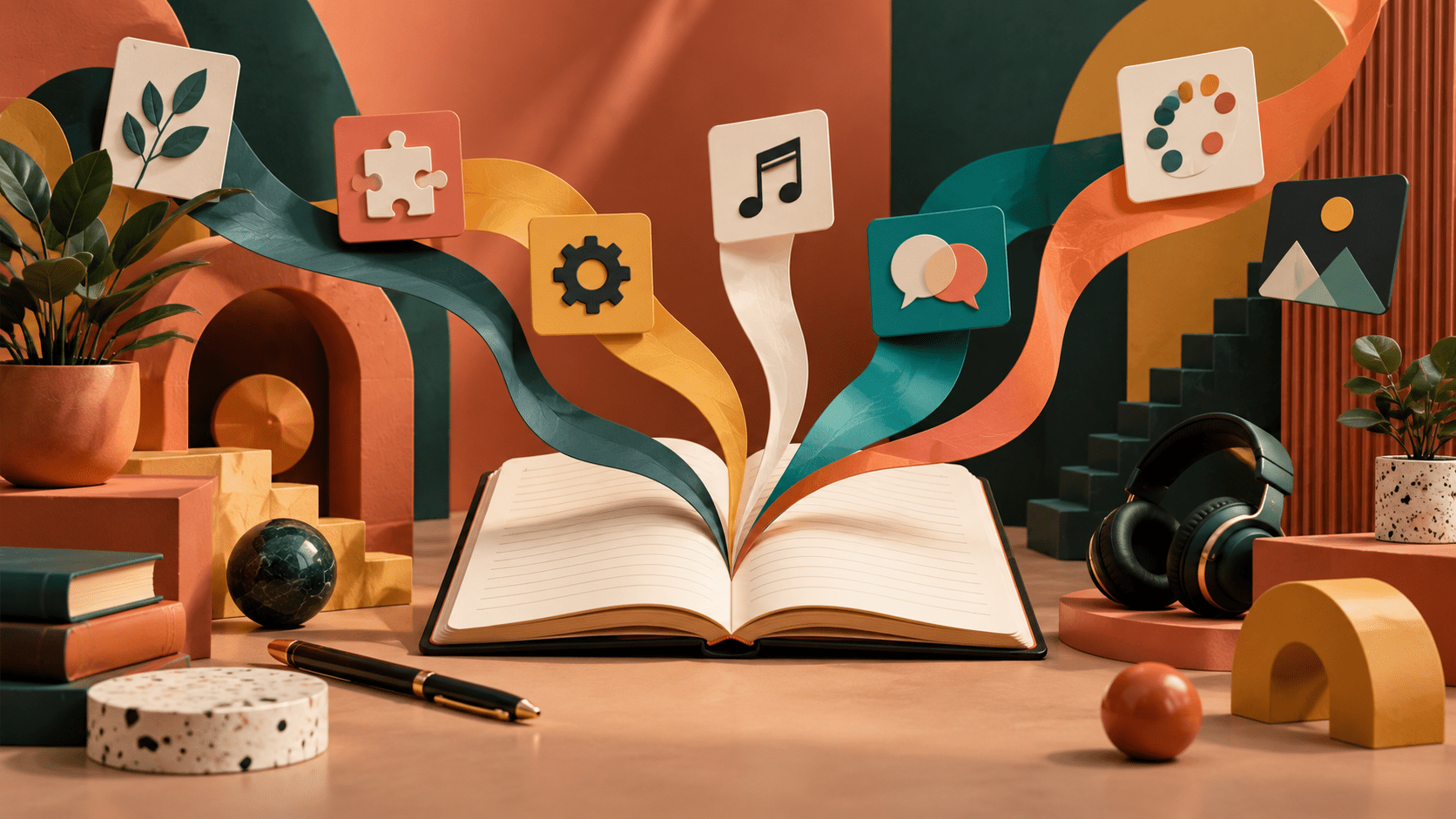
WHAT IF HE PRIMARILY NEEDED TO LEARN DIFFERENTLY?
“He could succeed if he worked harder.” “She lacks method.” “He knows his lessons at home, but freezes up during tests.” “She spends a lot of time studying for results that remain disappointing.” Many parents have already heard or said these phrases.
When facing academic difficulties, increasing study time often seems to be the primary solution. However, learning involves much more than the time spent with a notebook. To integrate new information, a young person must be able to pay attention to it, understand it, connect it with what they already know, organize it, memorize it, and retrieve it when needed. Organization, fatigue, stress, emotions, motivation, and confidence also play a role.
When a young person spends a lot of time rereading their lessons without knowing how to verify that they truly understand them, an extra hour is likely to only prolong an ineffective strategy. The same applies when they struggle to start, identify important information, organize their ideas, or mobilize their knowledge under stress. The question then becomes much more interesting: where does the difficulty truly lie?
This is an essential question, particularly because repeated difficulties sometimes end up changing how young people view themselves. “I have difficulties in math” gradually becomes “I’m bad at math.” “I’m still looking for an effective way to memorize” becomes “I have no memory.” Academic difficulty then ends up taking up much more space than it should, obscuring the young person's abilities, strengths, and successes.
Understanding How They Learn to Build Their Own Strategies
When I work with a young person, I like to start with a very simple question: “What is difficult for you?” This question opens up many more possibilities than judging their work or motivation. Some young people easily understand their lessons but struggle to memorize them. Others memorize correctly but encounter difficulties recalling their knowledge during an assessment. Some quickly feel overwhelmed when they need to organize multiple tasks, while others primarily need to regain meaning, motivation, or confidence.
From there, we can explore their functioning and seek strategies that suit them. Learning to learn involves better understanding what helps one concentrate, memorize, reason, organize information, or get back into action when a blockage occurs. The young person can experiment with several approaches, observe their effects, and gradually build a toolkit they will know how to use in different situations.
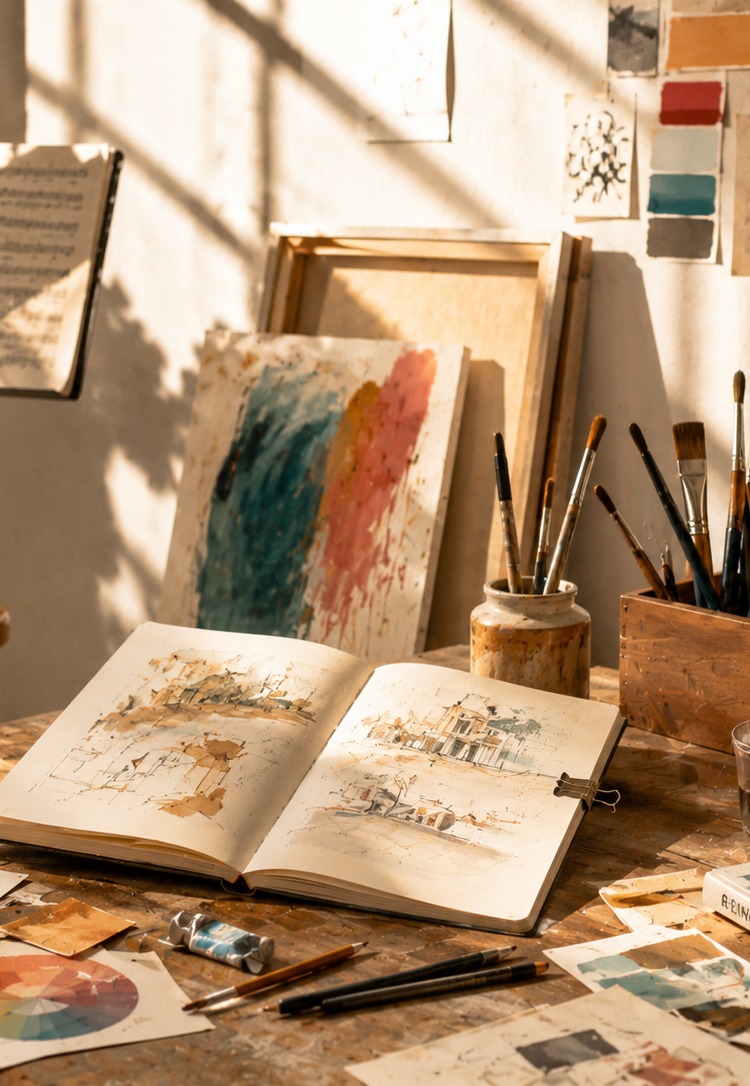
It is in this process that I use, as needed, NLP pedagogy, cognitive remediation, academic coaching, or Positive Orientation. These approaches allow us to observe the situation from multiple angles: how learning works, certain cognitive functions, the strategies used, the beliefs the young person has built about their abilities, but also their strengths, qualities, interests, and what motivates them to move forward.
This exploration also serves to remind us of something essential: a young person's abilities far exceed their academic results. Some reason easily, others excel in oral expression, creativity, relationships, movement, observation, manipulation, or problem-solving. Identifying these resources allows them to build a more complete self-image and to rely on what already works to develop what requires more effort.
Becoming an Active Participant in Their Learning
The objective goes far beyond a better revision method. A young person gains autonomy when they become capable of identifying what blocks them and choosing an appropriate strategy. When faced with a difficulty, they can gradually learn to ask themselves what they already understand, what they are missing, what tool they could try, or what help they need. This ability to observe their own functioning will serve them throughout their schooling, and well beyond.
Confidence also evolves in this way. It is built from concrete experiences in which the young person observes that a change in strategy produces a different result. They discover that they can understand a concept that seemed inaccessible, that another way of memorizing suits them better, or that they already possess resources they were using unconsciously. These experiences gradually change how they view their abilities.
Learning differently therefore means expanding possibilities. Instead of seeking a universal method to which every young person should adapt, we aim to understand their functioning and provide them with enough keys so they can progress with greater autonomy, confidence, and freedom in their learning.
So, when efforts seem significant and results are slow to follow, another question can open a different path:
“What if, before asking them to work harder, we sought with them the best way to learn?”